Blog

  • Modern Dating Tips: Building Meaningful Relationships for Young Adults

    Modern Dating Tips: Building Meaningful Relationships for Young Adults

    The Importance of Communication in Modern Dating

    Effective communication serves as the cornerstone of any successful relationship. In the realm of modern dating, where technology and social media influence interactions, the ability to convey thoughts and emotions clearly is paramount. Active listening is crucial; it involves not merely hearing the words but understanding the intent behind them. When partners engage in active listening, they demonstrate respect and validation, essential for developing a strong emotional connection.

    Expressing feelings and thoughts openly is another vital aspect of communication. Being transparent during conversations helps partners align their expectations and desires, fostering an environment of trust. For young adults navigating the complexities of modern dating, discussing feelings can be challenging. It’s advisable to create a comfortable atmosphere, allowing both individuals to share their thoughts without fear of judgment. Additionally, employing “I” statements can help express emotions more effectively—for instance, saying “I feel unsure when you don’t reply promptly” promotes honesty without sounding accusatory.

    Non-verbal cues also play a significant role in effective communication. Body language, eye contact, and tone of voice can convey feelings far beyond words. Understanding these cues can enhance partners’ awareness of each other’s emotional states, leading to deeper bonds. Couples should pay attention to each other’s body language and adjust their own to foster mutual understanding. Utilizing technology can also aid communication; voice notes or video calls can convey emotions more effectively than text alone.

    In conclusion, mastering the art of communication is essential in modern dating. By prioritizing active listening, sharing feelings candidly, and interpreting non-verbal signals, individuals can enhance their connections. Implementing these dating tips not only cultivates healthier relationships but also paves the way for lasting partnerships.

    Being Authentic: The Key to Lasting Connections

    In the realm of modern dating, authenticity emerges as a cornerstone of meaningful relationships. Young adults often experience immense pressure to conform to societal expectations and portray an idealized version of themselves in dating scenarios. However, embracing one’s true self not only fosters genuine attraction but also sets the foundation for lasting connections.

    Being authentic means presenting oneself honestly, without pretense or the need to impress others. This authenticity invites like-minded individuals into one’s life, paving the way for deeper emotional connections. When individuals are true to themselves, they attract partners who appreciate them for who they really are, rather than a facade. This, ultimately, leads to healthier and more fulfilling relationships.

    Nonetheless, many young adults struggle with self-doubt and insecurity, which can hinder their ability to be authentic. Self-awareness is crucial in navigating these challenges. Engaging in reflective practices, such as journaling or seeking feedback from trusted friends, can enhance one’s understanding of personal values, beliefs, and desires. This self-discovery process is an important aspect of dating tips, as it equips individuals with the confidence needed to engage sincerely with potential partners.

    Furthermore, cultivating confidence in dating can be achieved by setting personal boundaries and practicing self-acceptance. Young adults must recognize that it is acceptable to have imperfections and that these traits do not diminish their value. Embracing vulnerability can also lead to more open conversations with partners, allowing them to share their true selves and fostering an environment where mutual authenticity thrives.

    Ultimately, staying authentic in the dating landscape not only enhances the chances of attracting genuine partners but also contributes to creating meaningful, long-term relationships. Young adults should actively embrace who they are, leading to connections built on honesty, respect, and a shared understanding.

    Navigating the World of Online Dating

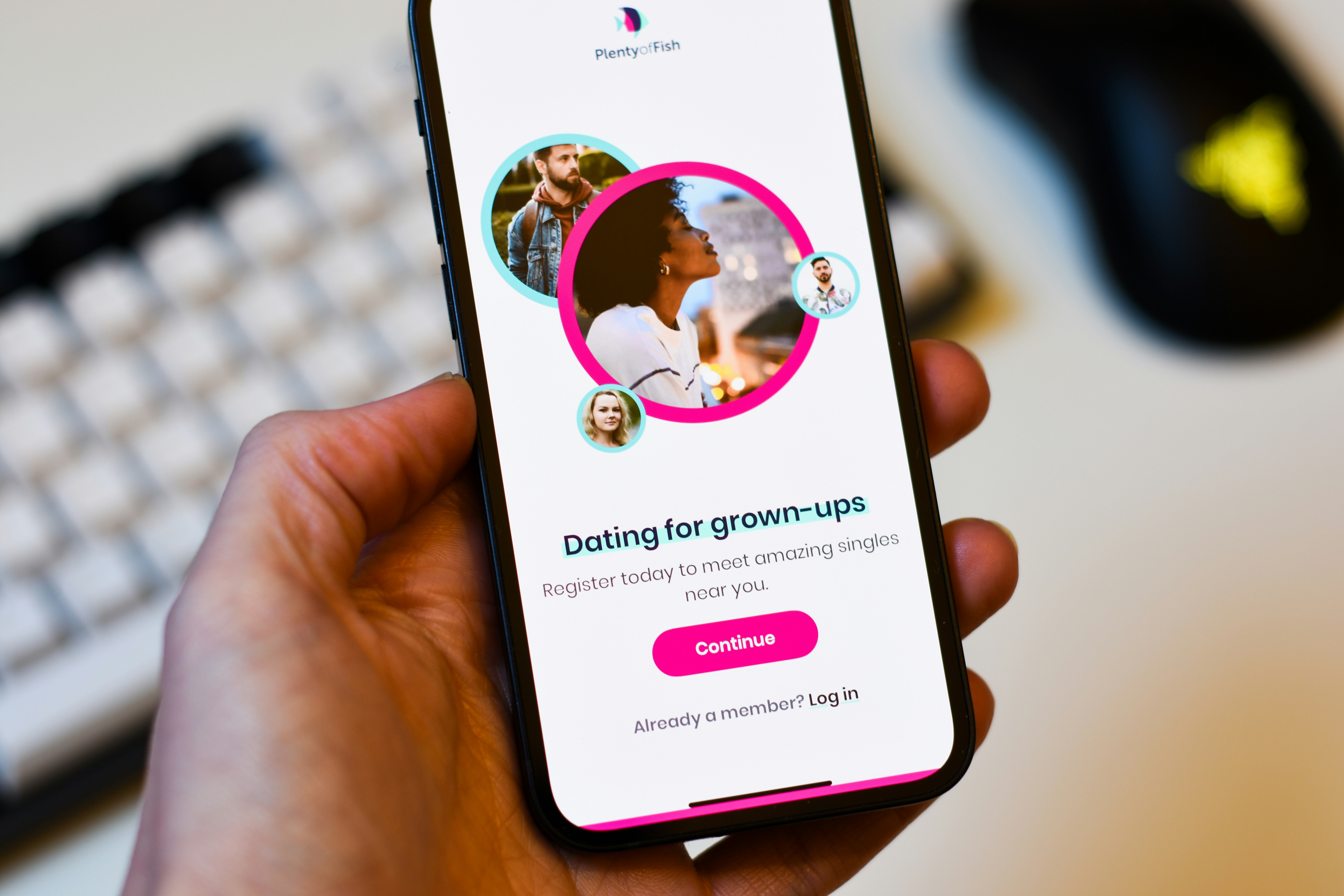
    The world of online dating has become an indispensable part of modern dating culture, especially for young adults looking to forge meaningful connections. While platforms provide unprecedented access to potential partners, they come with their own set of advantages and challenges. Understanding how to navigate this environment can significantly enhance one’s dating experience by helping individuals find compatible matches more efficiently.

    To optimize a dating profile, individuals should focus on authenticity while highlighting their unique interests and values. A well-chosen profile picture, along with a thoughtful bio, can capture attention in a crowded space. It is crucial to avoid generic phrases and instead, showcase personality traits or hobbies that reflect who you truly are. This sets a solid ground for future conversations and can attract like-minded individuals.

    When engaging with potential matches, clear and open communication is paramount. This includes recognizing red flags such as inconsistencies in storytelling, evasive responses, or pressure tactics. Being aware of these warning signs can help maintain emotional safety and foster healthy interactions. Staying true to one’s boundaries and being cautious about sharing personal information early on is vital in ensuring a safe dating environment.

    Safety should always be a priority; therefore, consider video chats before meeting in person, which can help build trust. Meeting in public spaces for initial dates is advisable. Balancing online interactions with real-life meetups is essential for cultivating genuine relationships, as it allows for deeper emotional connections and helps gauge compatibility beyond the digital realm. In the quest for meaningful relationships, remembering that online dating is just one avenue among many can lead to a richer and more fulfilling experience.

    Building Meaningful Relationships: Tips for Lasting Bonds

    Establishing a meaningful relationship goes beyond the initial attraction; it involves cultivating trust, mutual respect, and shared values. These elements act as the cornerstone for a solid partnership, enabling individuals to navigate the complexities of modern dating with greater confidence and understanding. One of the most critical dating tips for young adults is to prioritize open and honest communication. This transparency not only fosters trust but also ensures that both partners feel valued and understood.

    Moreover, maintaining a healthy relationship requires consistent effort. Regular check-ins are crucial as they provide an opportunity for both partners to share their feelings, address any concerns, and celebrate successes together. These discussions can help reinforce the emotional connection, a vital aspect of sustaining a relationship over time. Additionally, planning activities together can significantly enhance the bond between partners. Engaging in shared interests and hobbies not only creates lasting memories but also strengthens the relationship’s foundation.

    Compromise is another essential strategy for overcoming challenges within a relationship. It is important to recognize that disagreements are natural, and finding common ground is key to effective conflict resolution. Exhibiting support for each other during tough times not only enables partners to face adversity together but also enriches the partnership by demonstrating commitment and understanding.

    Ultimately, implementing these strategies—trust, mutual respect, shared values, regular communication, joint activities, and a willingness to compromise—will significantly enhance any budding romance. By incorporating these relationship maintenance tactics, young adults can navigate the intricacies of modern dating with the aim to build and sustain meaningful connections that stand the test of time.

  • Self-Love as the Foundation for Healthy Dating

    Self-love provides the foundation for attracting and maintaining healthy romantic relationships. When you value yourself, you make better partner choices and create more fulfilling connections.

    Understanding Self-Love

    Self-love means accepting yourself fully, setting healthy boundaries, and prioritizing your wellbeing. It’s not narcissism or selfishness, but rather recognizing your inherent worth regardless of relationship status.

    Why Self-Love Matters in Dating

    People with strong self-love don’t settle for poor treatment, recognize red flags clearly, and maintain their identity in relationships. They attract healthier partners because they demonstrate self-respect through their choices and boundaries.

    Building Self-Worth

    Invest in personal growth, celebrate your accomplishments, practice self-compassion, and develop skills and interests. Your value doesn’t depend on romantic validation. Cultivate confidence from within rather than seeking it externally.

    Setting Boundaries from Self-Respect

    When you love yourself, saying no becomes easier. You protect your time, energy, and emotional wellbeing without guilt. Healthy boundaries communicate self-respect and attract partners who respect those limits.

    Avoiding Codependency

    Self-love prevents losing yourself in relationships. Maintain your friendships, hobbies, and goals alongside romantic connections. Your happiness should enhance your relationship, not depend entirely on it.

    Recognizing Your Worth

    Understand that you deserve respect, honesty, and genuine care. Don’t accept breadcrumbs or inconsistent treatment. Self-love means walking away from situations that diminish your wellbeing, no matter how much you like someone.

    Attracting Better Partners

    When you demonstrate self-love, you naturally attract people who value you appropriately. Your standards filter out incompatible matches and draw in partners capable of healthy, reciprocal relationships.

    Continuous Growth

    Self-love isn’t a destination but an ongoing practice. Work on yourself consistently, address insecurities, and build confidence. The relationship you have with yourself sets the standard for all other relationships in your life.

  • When to Take Relationships to the Next Level

    Knowing when to progress relationships requires careful consideration of timing, readiness, and compatibility. Moving forward at the right pace increases chances of long-term success.

    Defining Relationship Milestones

    Common milestones include becoming exclusive, meeting families, moving in together, and engagement. Each couple progresses differently, but these markers indicate deepening commitment. Discuss expectations about timing openly.

    Signs You’re Ready

    You’ve both expressed desire for commitment, you’ve seen each other handle stress and conflict, you share compatible life goals, and you bring out the best in each other. Readiness comes from confidence, not pressure.

    Red Flags to Pause

    If you’re frequently fighting, one person is significantly more invested, major life goals conflict, or you feel pressure rather than excitement, slow down. Address concerns before escalating commitment.

    Communicating About Progression

    Have honest conversations about where the relationship is heading. Don’t assume you’re on the same timeline. Discuss what commitment means to each of you and your visions for the future.

    Timing Considerations

    While there’s no perfect timeline, most experts suggest dating at least several months before major commitments. You need time to see each other in various situations and life circumstances before deciding on major steps.

    Meeting Families and Friends

    Introducing partners to your inner circle signals serious interest. Pay attention to how they interact with important people in your life and how those people respond. Integration into each other’s worlds matters.

    Moving In Together

    Living together reveals new dimensions of compatibility. Discuss finances, household responsibilities, and personal space needs before cohabiting. This major step requires practical planning alongside emotional readiness.

    Knowing It’s Right

    When both people feel excited and confident about the next step, when you’ve successfully navigated challenges together, and when commitment feels natural rather than forced, you’re likely ready to move forward.

  • Balancing Independence and Togetherness

    Successful relationships require balancing individual identity with partnership connection. Finding the right equilibrium between independence and togetherness creates healthier, more sustainable romantic bonds.

    Maintaining Individual Identity

    Your sense of self shouldn’t disappear when entering a relationship. Continue pursuing personal interests, maintaining friendships, and investing in individual growth. Partners who preserve their identities bring more richness to relationships.

    Quality Time vs. Quantity

    Focus on meaningful connection rather than constant presence. Spending every moment together often leads to codependency. Quality interactions where both people are present and engaged matter more than sheer time logged together.

    Healthy Boundaries in Relationships

    Establish clear boundaries about personal space, time, and activities. Communicate needs for alone time without guilt. Healthy boundaries actually strengthen relationships by preventing resentment and maintaining individual wellbeing.

    Shared Goals and Separate Dreams

    Work toward common relationship goals while supporting each other’s individual aspirations. Your partner should champion your personal dreams, not compete with them. Balance “we” goals with “me” goals.

    Avoiding Codependency

    Codependency occurs when self-worth becomes entirely dependent on the relationship. Maintain your own hobbies, friendships, and sources of fulfillment. Your happiness should enhance, not depend on, your relationship.

    Communicating Needs

    Express when you need connection and when you need space. Different people have varying needs for togetherness and independence. Open communication about these needs prevents misunderstandings.

    Growing Together While Growing Individually

    The strongest relationships support both individual and mutual growth. Encourage your partner’s development while working on your own. Two whole people choosing to share their lives creates the healthiest foundation.

  • Understanding Attachment Styles in Dating

    Attachment styles influence how we connect with romantic partners and navigate relationships. Understanding your attachment pattern and recognizing others’ helps create healthier, more fulfilling connections.

    The Four Attachment Styles

    Secure attachment involves comfort with intimacy and independence. Anxious attachment seeks constant reassurance and fears abandonment. Avoidant attachment values independence and struggles with closeness. Disorganized attachment combines anxious and avoidant patterns.

    Secure Attachment in Relationships

    Securely attached individuals communicate needs effectively, handle conflict constructively, and balance intimacy with independence. They trust partners while maintaining healthy boundaries. These relationships tend to be most stable and satisfying.

    Anxious Attachment Patterns

    Anxiously attached people often seek validation, worry about rejection, and become preoccupied with relationships. They may come across as needy or clingy. Understanding this pattern helps develop self-soothing strategies and build security.

    Avoidant Attachment Behaviors

    Avoidant individuals prioritize independence, struggle with vulnerability, and may seem emotionally distant. They often pull away when relationships become serious. Recognizing this pattern allows for gradual trust-building and intimacy development.

    How Styles Interact

    Certain combinations create more challenges. Anxious-avoidant pairings often trigger each other’s insecurities. Two secure individuals typically create stable partnerships. Understanding dynamics helps navigate potential conflicts.

    Developing Secure Attachment

    Attachment styles can evolve through self-awareness, therapy, and healthy relationships. Practice vulnerability gradually, work on self-regulation, and choose partners who support growth. Earned security is possible regardless of early experiences.

    Recognizing Patterns in Dating

    Notice your typical relationship behaviors. Do you push people away or cling too tightly? Understanding your patterns helps you make conscious choices rather than repeating unhealthy cycles in dating.

  • Navigating Online Dating Successfully

    Online dating has become a primary way people meet potential partners. Understanding how to create effective profiles and navigate digital interactions increases your chances of finding meaningful connections.

    Crafting an Authentic Profile

    Choose recent, clear photos that show your face and represent your actual appearance. Write a bio that reflects your genuine personality and interests rather than what you think people want to hear. Authenticity attracts compatible matches.

    Quality Over Quantity

    Focus on meaningful connections rather than swiping on everyone. Read profiles carefully and reach out to people with whom you share genuine interests or values. Thoughtful selectivity leads to better matches than volume.

    Starting Conversations Effectively

    Reference specific details from their profile in your opening message. Generic greetings like “Hey” rarely lead to responses. Show you took time to read about them and find common ground for discussion.

    Moving to In-Person Meetings

    After establishing initial rapport online, suggest meeting in person relatively soon. Extended texting without meeting often leads to mismatched expectations or fading interest. Real chemistry reveals itself face-to-face.

    Safety Precautions

    Always meet in public places for first dates. Tell a friend where you’re going and check in afterward. Trust your instincts if something feels off. Never share personal information like your address too early.

    Managing Expectations

    Not every match will lead to romance, and that’s normal. View each interaction as practice and an opportunity to meet new people. Rejection online doesn’t reflect your worth or desirability.

    Avoiding Common Pitfalls

    Don’t take too long to meet in person, don’t misrepresent yourself in your profile, and don’t continue conversations with people who show red flags. Maintain clear boundaries and respect when others aren’t interested.

  • Building Trust in New Relationships

    Trust forms the cornerstone of healthy romantic relationships. Building trust requires time, consistency, and genuine effort from both partners to create a secure foundation for lasting connection.

    Consistency Over Time

    Trust develops through repeated reliability in small daily actions. Following through on commitments, showing up when you say you will, and maintaining consistent behavior builds confidence in your character over time.

    Honesty and Transparency

    Being truthful about your feelings, past, and intentions creates openness. While you don’t need to share everything immediately, avoiding lies and being genuine in your interactions establishes trustworthiness from the start.

    Respecting Privacy

    Trust includes respecting boundaries around personal information, phones, and private spaces. Demanding access or checking up constantly signals insecurity and actually damages trust rather than building it.

    Following Through on Promises

    Keep commitments you make, whether major or minor. If you say you’ll call, call. If plans need to change, communicate proactively. Reliability in actions matches reliability in words.

    Vulnerability and Openness

    Sharing your authentic self, including fears and insecurities, invites your partner to do the same. Appropriate vulnerability deepens emotional intimacy and demonstrates trust in your partner.

    Handling Conflicts Fairly

    How you navigate disagreements significantly impacts trust. Fight fair without name-calling, bringing up past issues, or making threats. Resolving conflicts constructively shows commitment to the relationship.

    Giving Trust to Receive It

    Trust requires mutual investment. Constantly questioning your partner’s motives or actions creates defensive behavior. Unless given reason not to, extend trust and allow your partner to prove themselves trustworthy.

  • Effective Communication in Dating

    Strong communication skills form the foundation of successful relationships. Learning to express yourself clearly while listening actively creates understanding and prevents unnecessary conflicts in dating.

    Active Listening Skills

    Truly hearing what someone says requires full attention and genuine curiosity. Put away distractions, maintain eye contact, and ask follow-up questions that show engagement. Listening communicates respect and builds deeper connection.

    Expressing Needs Clearly

    State your needs and feelings directly rather than expecting partners to read your mind. Use “I” statements like “I feel” or “I need” instead of accusatory “you always” statements. Clear expression prevents misunderstandings.

    Timing Conversations Appropriately

    Choose the right moments for important discussions. Avoid bringing up serious topics when either person is tired, stressed, or distracted. Schedule time for meaningful conversations when both parties can focus.

    Non-Defensive Responses

    When your partner shares concerns, resist the urge to immediately defend yourself. First acknowledge their perspective, then share your own viewpoint calmly. Defensive reactions shut down productive dialogue.

    Asking Open-Ended Questions

    Questions that require more than yes or no answers encourage deeper sharing. Instead of “Did you have a good day?” ask “What was the best part of your day?” This invites meaningful conversation.

    Reading Non-Verbal Cues

    Pay attention to body language, tone, and facial expressions alongside spoken words. Sometimes what isn’t said matters as much as what is. Notice when words and non-verbal signals don’t match.

    Handling Disagreements Constructively

    Conflict happens in every relationship. Focus on solving problems together rather than winning arguments. Take breaks when discussions become too heated and return when emotions settle. The goal is understanding, not victory.

  • Red Flags to Watch for in New Relationships

    Recognizing warning signs early in relationships prevents heartache and helps you avoid potentially harmful situations. Learning to identify red flags protects your emotional well-being and helps you invest time in healthy connections.

    Love Bombing and Intensity

    When someone comes on extremely strong with excessive compliments, gifts, and attention too soon, proceed with caution. Love bombing often precedes controlling behavior once you’re emotionally invested. Healthy relationships develop gradually.

    Disrespecting Boundaries

    If someone repeatedly ignores your stated boundaries or pressures you to change your limits, this indicates lack of respect. Whether about physical touch, personal time, or other preferences, your boundaries deserve acknowledgment and respect.

    Inconsistent Communication

    Frequent disappearing acts followed by intense contact creates anxiety and instability. Healthy relationships involve consistent, reliable communication patterns. Extreme inconsistency often signals someone who isn’t ready for commitment.

    Speaking Negatively About Exes

    While some relationship discussion is normal, constantly blaming all exes or displaying intense hostility suggests unresolved issues. How someone speaks about past partners often predicts how they’ll eventually speak about you.

    Controlling Behavior

    Attempts to control what you wear, who you see, or how you spend your time represent serious red flags. Healthy partners trust you and respect your autonomy. Control often escalates over time.

    Refusing Accountability

    Notice how someone handles mistakes and conflicts. People who never apologize, always blame others, or cannot acknowledge wrongdoing will struggle to maintain healthy relationships. Accountability demonstrates maturity and growth capacity.

    Rushing Commitment

    Pressure to define the relationship, move in together, or make serious commitments very early should raise concerns. Take time to truly know someone before making major decisions. Healthy relationships can afford to develop naturally.

  • Understanding Compatibility in Relationships

    Compatibility determines whether relationships thrive long-term or struggle with constant conflict. Understanding different types of compatibility helps identify partners with whom you can build lasting, fulfilling connections.

    Values Alignment

    Core values regarding family, career, lifestyle, and ethics must align for long-term success. You don’t need identical values, but major differences in fundamental beliefs often create insurmountable conflicts. Discuss important topics early to assess compatibility.

    Communication Styles

    How partners express needs, handle conflict, and share feelings significantly impacts relationship satisfaction. Some people process emotions verbally while others need time alone. Understanding and respecting different communication preferences prevents unnecessary misunderstandings.

    Life Goals and Timelines

    Agreement on major life decisions like marriage, children, career priorities, and location creates harmony. Misaligned timelines or completely different visions for the future cause serious problems. Be honest about your goals and listen to your partner’s plans.

    Emotional Compatibility

    Emotional availability and the ability to provide mutual support strengthens bonds. Partners should feel comfortable expressing vulnerability and receiving empathy. Emotional compatibility means both people feel understood and validated.

    Intellectual Connection

    Shared interests and intellectual stimulation keep relationships engaging over time. You don’t need identical hobbies, but having conversations that challenge and excite both partners maintains connection beyond physical attraction.

    Physical Chemistry

    While not everything, physical attraction and sexual compatibility matter in romantic relationships. Chemistry should be present alongside other compatibility factors. Physical connection enhances emotional intimacy when both partners feel desired and satisfied.

    Difference Between Compatibility and Chemistry

    Chemistry creates exciting initial attraction, while compatibility determines long-term success. Both are important, but chemistry alone fades without underlying compatibility. The best relationships combine strong chemistry with deep compatibility across multiple dimensions.